
















Blog post

How to Break In Leather Loafers Without the Pain
Why New Leather Loafers Feel So Stiff at First
If you've ever slipped on a gorgeous pair of cognac leather loafers and spent the first two hours wincing with every step, you're not alone. It's one of the most common complaints we hear from women who are new to genuine leather shoes — and honestly, it makes sense. Real leather is a natural material with its own structure, and it needs time to adapt to the shape of your foot. Unlike synthetic shoes that feel broken in from day one (and fall apart just as fast), leather loafers reward a little patience with a fit that genuinely molds to you over time.
The good news? You don't have to suffer through those first few wears. With the right approach, you can speed things up significantly and actually enjoy the break-in process.
Start Slow and Work Up to Full Days
The biggest mistake people make is wearing brand-new leather loafers for an entire day out of the box. Start with short sessions — an hour around the house in the evenings, or a quick errand run. This gives the leather time to flex and soften gradually without overwhelming your feet.
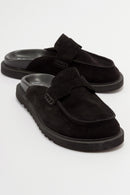
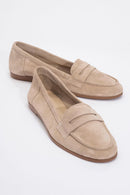
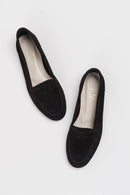
Thick socks are your best friend here. Pull on a cozy pair, put on your new black or taupe loafers, and walk around your home for 30 to 60 minutes. The extra bulk gently stretches the leather while protecting your heels from friction. It might look a little silly, but it genuinely works. Do this a few evenings in a row and you'll notice the shoes feeling noticeably more giving.
Use Leather Conditioner Early and Often
This step gets skipped way too often, and it makes such a difference. A good leather conditioner softens the fibers in the shoe, making them more pliable and much easier to mold to your foot's shape. Apply a small amount to a soft cloth and work it into the full surface of the shoe — the toe box, the sides, the heel counter — before you wear them for the first time.
Our loafers are handmade in Turkey using traditional craft techniques, which means the leather used is dense and high quality. That's great for longevity, but it also means the break-in period is real. Conditioning helps bridge that gap. For beige or suede styles, use a product specifically designed for lighter or napped leathers so you don't alter the color or texture.
Repeat the conditioning process every few weeks during the break-in period, and your loafers will soften beautifully without losing their structure.


Target the Hot Spots Before They Become Blisters
Pay attention to where the shoe is rubbing — usually the heel and the sides of the big toe joint. A few targeted tricks can save you a lot of grief. Moleskin padding placed directly on the problem area inside the shoe creates a cushioned barrier while the leather continues to stretch. A thin layer of clear lip balm or petroleum jelly on the parts of your foot that are getting rubbed also helps reduce friction in a pinch.
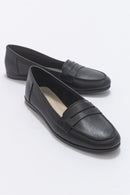
If the toe box on your cognac or black loafers feels tight, try using a wooden shoe stretcher overnight. Even one or two nights with a stretcher can open up the fit noticeably. For width issues specifically, a professional cobbler can stretch the leather manually — and it's usually very affordable for the relief it brings.
Once your loafers are broken in, you'll have a shoe that fits like it was made for you — because in a real sense, it has been shaped by you. Ready to find your next pair? Browse our collection of women's leather loafers in cognac, black, taupe, and beige — all crafted by hand, built to last, and designed to actually be worn.
Shop This Collection


